

A balanced meal isn’t about following strict rules or tracking every detail — it’s about giving your body the right mix of nutrients in a way that feels natural and sustainable.
Eating well doesn’t have to be complicated or restrictive. When meals are structured well, they can support your energy, improve digestion, and help you stay consistent without feeling overwhelmed.
Once you understand a simple approach, you can build meals that work for your lifestyle and adjust them as your needs change over time.

Start with a protein source
Protein plays an important role in keeping you full and supporting your body’s daily functions, from muscle maintenance to overall recovery. Including a reliable source of protein in each meal helps stabilize your energy levels and reduces the likelihood of feeling hungry soon after eating.
Good options include:
Eggs
Chicken or fish
Yogurt or cottage cheese
Plant-based options like beans or tofu
You don’t need to overthink portions — just aim to include a source of protein consistently.
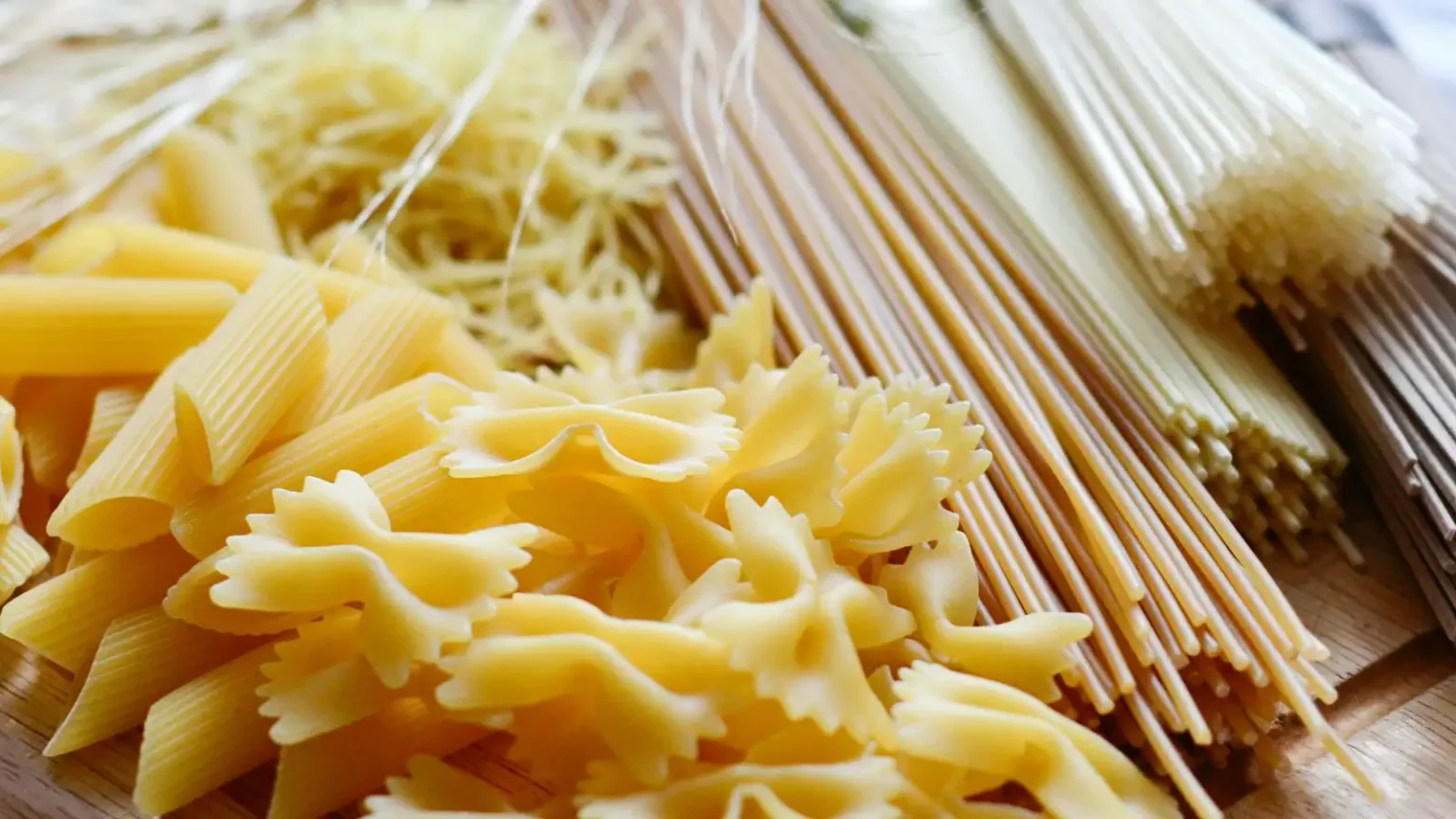
Add quality carbohydrates
Carbohydrates are your body’s main source of energy, especially during busy or active days. Choosing the right types of carbs can make a big difference in how you feel throughout the day, helping you stay focused and avoid energy crashes.
Focus on:
Whole grains
Fruits
Vegetables
These options provide more stable energy and support overall well-being compared to highly processed foods.

Include healthy fats
Healthy fats are essential for satiety, meaning they help you feel satisfied after a meal. They also play a role in nutrient absorption and support various functions in the body, making them an important part of a balanced plate.
Simple additions:
Olive oil
Nuts and seeds
Avocado
Even small amounts can make meals more satisfying and enjoyable.

Don’t forget vegetables
Vegetables provide fiber, vitamins, and important nutrients that support digestion and overall health. They also add variety and balance to your meals without making things complicated.
Try to:
Include at least one portion per meal
Mix different types and colors
You don’t need to aim for perfection — consistency is what matters most.

Keep it practical
A balanced meal should fit into your daily routine without creating extra stress. The best plan is one that you can actually follow, even on busy days or when your schedule changes.
Ask yourself:
Is this easy to prepare?
Does it fit my routine?
Will I enjoy eating it?
Meals don’t need to be perfect — they just need to work for you.
Simple meals, done consistently, lead to better energy, healthier habits, and a more balanced daily routine.
James Reed – nutrition specialist
Conclusion
Building a balanced meal is about creating a simple structure you can rely on and adjust as needed. Over time, small consistent choices can make a meaningful difference in how you feel and how sustainable your habits become.
Focus on flexibility, simplicity, and what works best for your lifestyle — that’s what leads to long-term success.


